
February 18, 2026
Signs You Need Roof Replacement in Maine

Maine's weather is not gentle on roofs. Snow load, ice buildup, coastal moisture, and freeze-thaw cycles push roofing systems harder than in many other states. That means small warning signs can escalate quickly.
This guide will help you understand when roof repair is enough and when roof replacement services make more financial sense.
How can you tell if you need roof repair or roof replacement?
If you are asking yourself, “Do I actually need a whole new roof, or can this be a quick fix?” you are not alone. This is the most common question our team comes across while on call from homeowners in Maine:
Roof replacement isn’t something that gets anybody excited. Usually, it starts with something small.
A stain on the ceiling. A drip that shows up during heavy rain. A few shingles you notice in the yard after a windy night. Then the spiral begins.
You Google it, you see a bunch of scary opinions, you land on a Reddit thread, and suddenly you are convinced your house is about to fall apart.
Here is the simplest way to think about it:
If the issue is small and contained, repair usually makes sense.
However, roof replacement is a better choice if your roof is over 20–25 years old and has issues which are spreading, repeating and showing up in multiple places.
Recurring leaks, widespread shingle damage, and sagging areas are definitely signs that we recommend home owners to get their roof replaced.
Note: In both cases, you must consult an expert roofing contractor to avoid making any wrong decision.
How Old is “Too Old” for a Roof in Maine?
Most asphalt roofs in Maine begin to show serious wear around 20–25 years. Metal roofs can last longer, but installation quality and ventilation matter just as much as material.
But here’s the catch: roof age does not automatically mean you need a new one. But when combined with damage, it definitely becomes a strong indicator.
Maine roofs deal with conditions that wear them down faster than people expect. Snow load sits for long stretches. Ice forms and melts repeatedly. Water finds tiny gaps and expands when it freezes. Wind does its thing.
So if your roof is older and you are seeing problems, it is worth taking seriously. Not because you need to panic, but because planning early often saves money.
What roof wear signs should you take seriously?
If you are trying to figure out whether your roof is just having a bad week or it is truly at the end of its life, these are the signs that matter most. When you see any of the ones below, it usually means your roof is not just “worn” anymore. It is failing, and it is time to plan a replacement.
- Shingles are curling up or lifting in lots of places
Not just one corner. If you look up and you can tell the shingles are starting to peel or wave across a big section, that is your roof telling you it is losing its grip.
- You are seeing bare patches where shingles look “bald”
If parts of the roof look worn down and smooth like they have been sanded, that protective layer is basically gone. Once that happens, the roof is much more likely to leak, especially in Maine weather.
- You keep finding shingles or shingle pieces in the yard after normal wind
If it only happened once in a big storm, that is one thing. But if you are picking up pieces every time the wind picks up, that usually means the roof is breaking down overall.
- The roof looks uneven or like it is sagging in a spot
A roof should look straight. If it looks like it is dipping or sinking, that is not a small issue. That is a sign the roof underneath is getting weak.
- Your gutters are filling up with gritty shingle crumbs
If you clean the gutters and it looks like someone dumped sand in there, that is your shingles wearing out fast. It is one of the clearest signs the roof is near the finish line.
- You can actually see cracking on the shingles from the ground
If you can spot cracks without even climbing a ladder, the shingles are getting brittle. In Maine, brittle shingles do not hold up for long once winter hits.
- Large areas of the roof look darker than they used to
Sometimes homeowners notice the roof looks “tired” or patchy, like certain sections always look darker or damp. When that starts happening across bigger areas, it often means moisture is hanging around where it should not.
- You have shingles that look like they are sliding out of place
If rows look off, crooked, or like they have shifted, that is usually not cosmetic. It is a sign the roof system is loosening up.
- You are seeing multiple “problem spots” instead of one clear issue
This one is big. If you are noticing wear in different areas at the same time, it is usually not something you want to keep patching. It is the roof aging out as a whole.
If you are noticing any of these signs, the smartest next step is to have a roofing contractor confirm what you are seeing and give you a clear plan. Because once a roof starts failing in multiple ways, it rarely improves on its own.
Why do ice dams matter so much when deciding on roof replacement?
If you live in Maine, you already know ice dams are a headache.
But here is the part people miss. Ice dams are not only a winter inconvenience. They are a signal that your roof system is under stress.
When snow melts and refreezes along the edges, water backs up. That backed-up water can slip under roofing materials, especially if the roof is older or the protective layers are not strong enough.
If ice dams happen once in a rare winter, that is one thing.
If they happen over and over, or you get ceiling stains after snow melt, it is often a sign that the roof needs a more complete solution. In many cases, roof replacement services can solve this properly by rebuilding the system with the right protection in the right areas, and making sure the roof is set up to handle Maine winters.
This is one of the big reasons homeowners replace roofs that do not look terrible. It is not only about what you see. It is about preventing the same winter damage year after year.
When does a small leak turn into a roof replacement situation?
A leak does not always mean replacement. But repeated leaks usually do.
Here are the situations where replacement starts making more sense:
- One, you fixed it once and it came back.
- Two, you have leaks in more than one area.
- Three, the leak shows up under different conditions, like heavy rain and snow melt.
- Four, you keep seeing stains expand even after a repair.
In these cases, it is common for homeowners to spend money chasing symptoms. A patch here, a seal there, and it feels like progress, until the next storm hits.
A good roof replacement contractor in Maine will help you see the bigger picture. Are you dealing with a single weak point, or is the roof aging overall. That difference is everything.
What does sagging or a soft roof area usually mean?
If you notice a dip in the roofline or the roof looks uneven in a way it did not before, do not ignore it. Sagging can mean moisture has been sitting where it should not. Over time, that moisture weakens the wood underneath. That is not something you want to wait on.
This is not meant to scare you. It is meant to save you from a much bigger project later. If you catch structural issues early, you often avoid deeper repairs.
What should you expect when asking about the average roof replacement cost?
This is the question everyone wants answered right away, and it is a fair question.
The challenge is that the average roof replacement cost depends on real factors that vary house to house.
- Roof size matters.
- Roof pitch matters.
- How many old layers need to come off matters.
- The type of material matters. And in Maine, the details matter a lot.
- Things like protection near the edges, valleys, and around chimneys can make a big difference in both durability and price.
So instead of chasing a random number online, focus on getting a quote that explains what is included and why.
When you compare roofing replacement cost quotes, do not only compare the final price. Compare what you are actually getting. Some quotes look cheaper because important work is missing, and that is how homeowners end up paying twice.
If you want peace of mind, look for clarity. A good contractor will walk you through the scope in plain language, answer questions without rushing, and make sure you understand what you are paying for.
What questions should you ask a roof replacement contractor?
If you want one question that cuts through everything, ask this:
Will this solve the problem for good, or am I going to be calling again next year?
Then ask for a few simple follow-ups.
- What do you think is causing the issue?
- What parts of the roof are most at risk?
- What is included to handle Maine winter conditions?
- What kind of warranty do you stand behind?
As the most trusted roofing contractor in Maine, we listen to you and build a roofing replacement or repair plan that works best for you without burning your pocket.
Read Also: Asphalt vs Cedar vs Metal vs Copper: Choosing the Best Roofing Material for Maine Homes
Ready for a clear opinion from a Maine roofing expert?
If you are trying to decide between roof repair and roof replacement, Armor Roofing can help you sort it out without the stress. We work with Maine homeowners who are seeing the same signs you are seeing, and who just want to know what makes the most sense for their home and budget.
If a repair is enough, we will tell you. If roof replacement services are the smarter long-term move, we will explain why and walk you through the next steps.
Book a consultation with Armor Roofing and get a clear recommendation from a trusted roof replacement contractor in Maine.
Our Other Articles
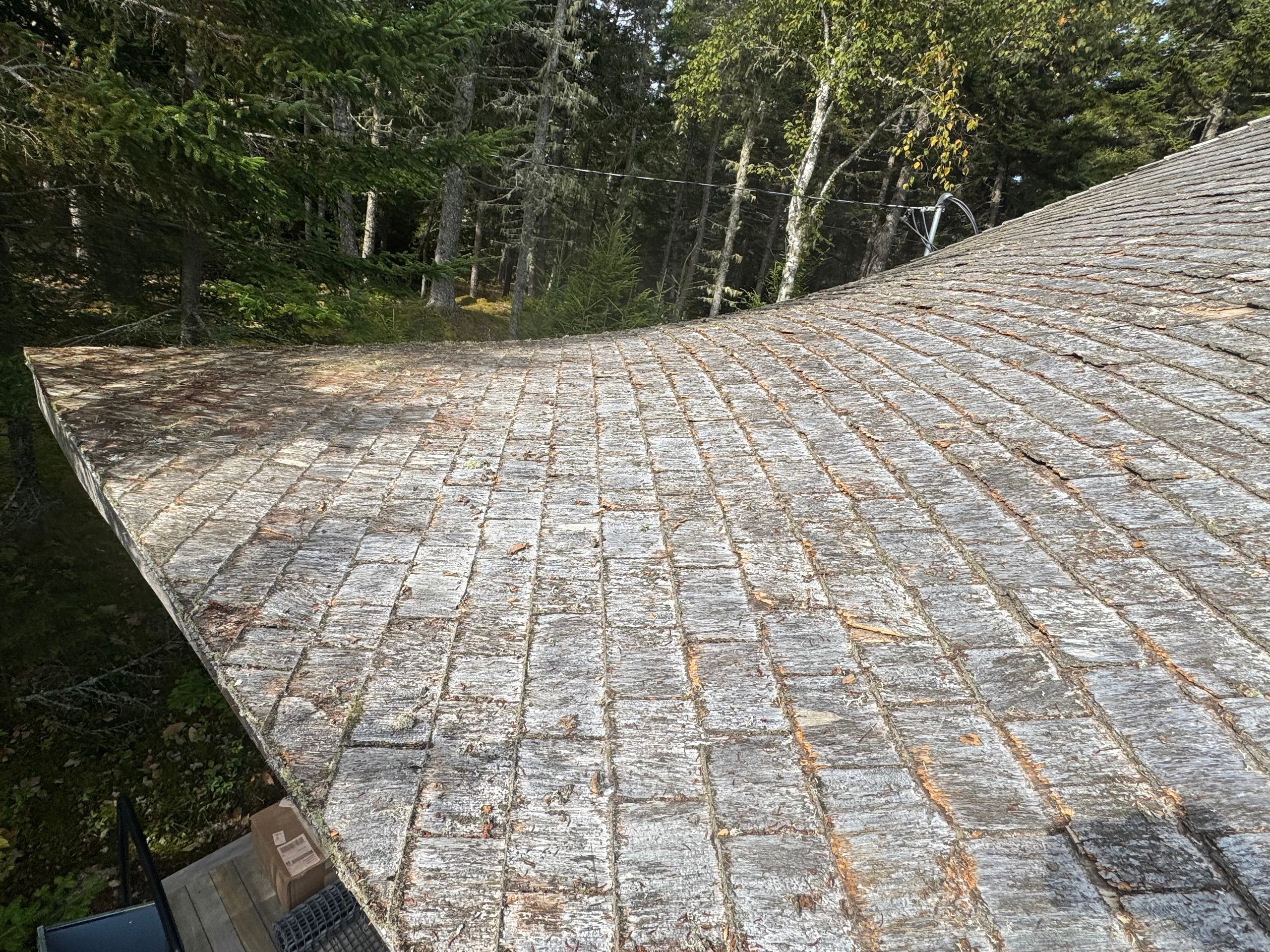
When to Repair or Replace Your Roof: A Guide for Maine Homeowners
Installation & Replacement
Not sure if your roof needs repairs or a replacement? Find out how to decide with tips to protect your home and budget.

Understanding the difference between Snap and Mechanical Lock Standing Seam Roofing and Which is Right for Your Home?
Materials & Options
Learn how mechanical lock vs snap lock standing seam metal roofing compares for Maine homes, including lifespan, cost, and which option is right for your roof.

Asphalt vs Cedar vs Metal vs Copper: Choosing the Best Roofing Material for Maine Homes
Materials & Options
Compare asphalt, cedar, metal and copper roofing materials for Maine weather. Get clear pros, lifespan and costs to choose the right roof for your home.