
Roofing Contractors In Maine
Premium Roofing & Custom Metal Fabrication
If you’re tired of patch jobs that keep failing after every storm, it’s time for a real fix, not another temporary bandaid. As the most trusted roofing contractors in Maine, we focus on premium and durable roof systems and clean workmanship so you can stop worrying every time the weather shifts.
10 Year Roof Warranty
Family-Operated Business
Fully Custom Metal Fabrication
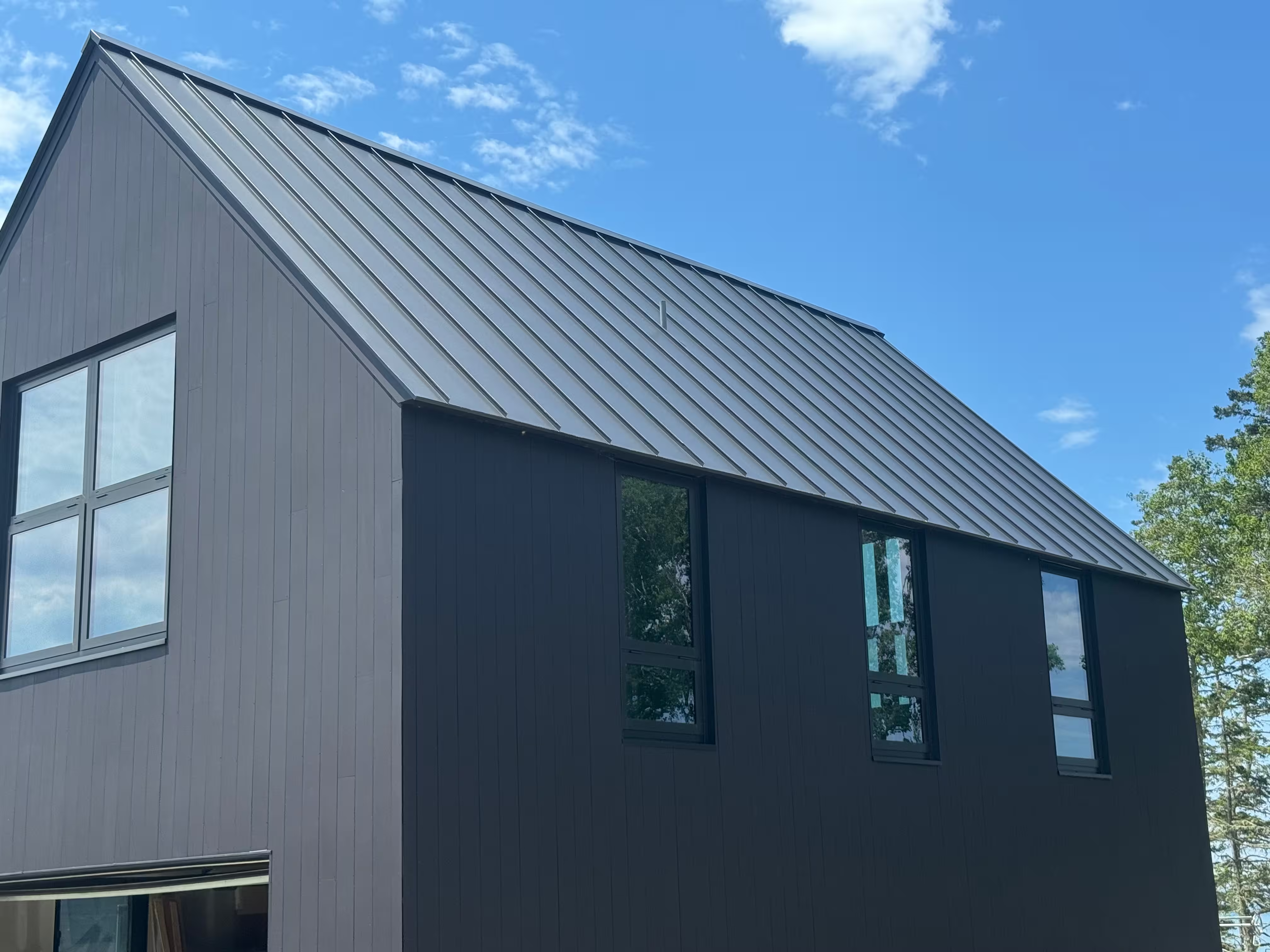
Armor Roofing & Metal Fabrication Services
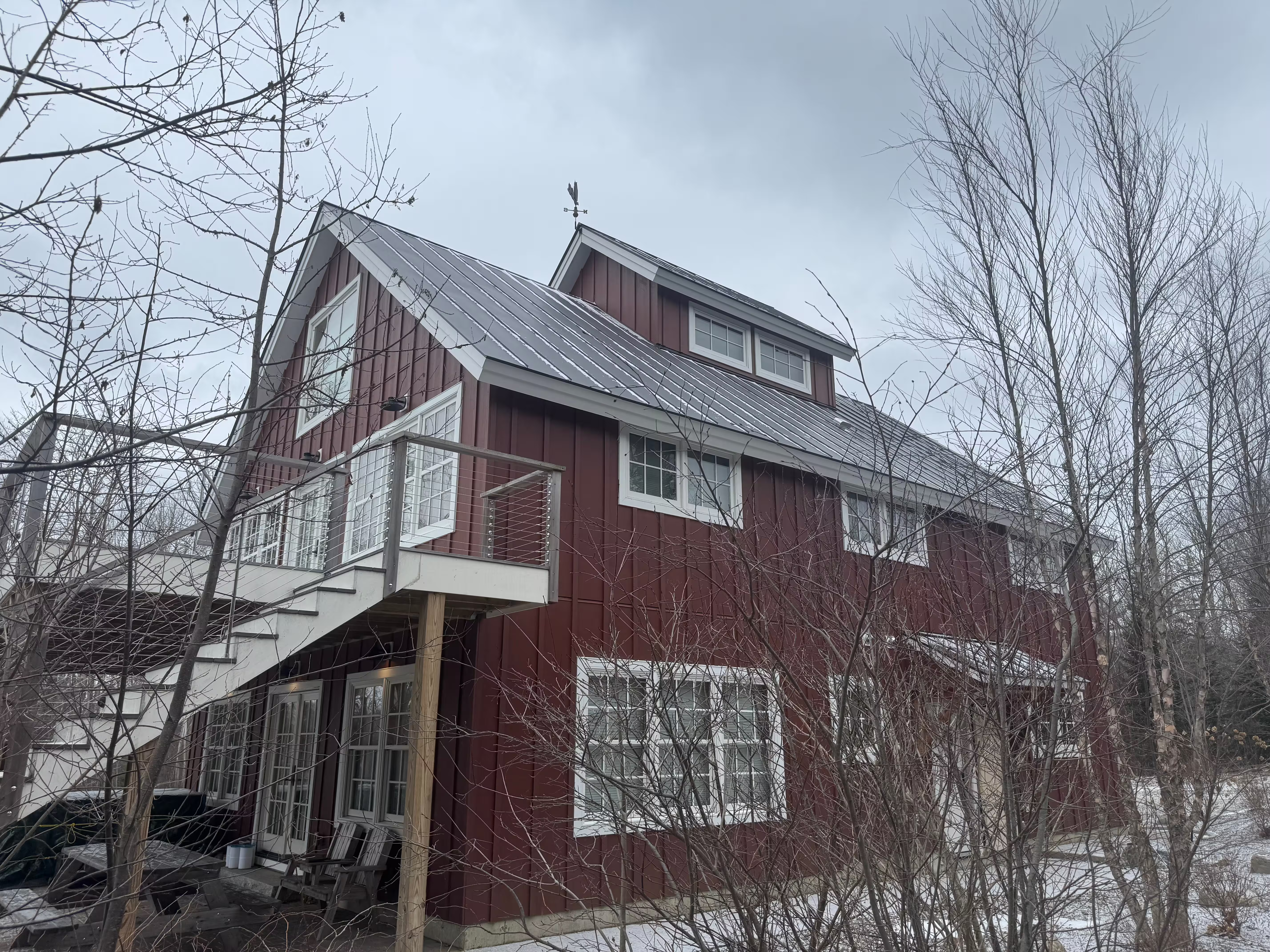
Mechanical lock standing seam roofing
A seamless and durable roofing solution built to handle the toughest conditions.
Asphalt Shingle Roofing
Classic and cost-effective roofing with dependable protection.
Cedar Shingle Roofing
Elegant cedar roofing for a naturally stylish and sturdy roof.
Copper Installation
Elevate your roof with copper, a luxurious and long-lasting choice.
20+
Years Of Experience
1,500,000+
Sqft Roofing Laid
600+
Projects Completed
Built On Family, Driven By Quality.
As a family-run business, we’re dedicated team if roofing contractors in Maine delivering roofing solutions you can trust.


RECENT PROJECTS
Roofing Projects Built to Last
From homes to commercial properties, our roofing projects speak for themselves.


Protecting Maine One Roof at a time
Quality roofing, wherever you are in our service area.
- Expertise in residential and commercial roofing
- Reliable service with a commitment to quality
- Locally trusted Main roofing contractors
What Our Clients Say About Our Roofing
Real client stories about our roofing quality and service.
AHG
This is the best roofing company in all of Maine. Highly professional dedicated team, who get the job done effortlessly. 5 stars!
K
Jason was extremely nice, professional, responsive, prompt, knowledgeable and reasonable. His roofing crew was friendly, knowledgeable, efficient (they got the roofing job completed in four days whereas I’d thought would take at least a week or two). Our roof looks great, and we’ve not had a problems since it was finished.
Josh D.
Jason and his team installed a new standing seam roof on my property. They were professional and extremely knowledgeable about the entire process. I have recommended Armor roofing to several friends and family.
Roofing Tips & Insights
Explore expert insights on choosing and maintaining your roof.

Signs You Need Roof Replacement in Maine
Maine's weather is not gentle on roofs. Snow load, ice buildup, coastal moisture, and freeze-thaw cycles push roofing systems harder than in many other states. That means small warning signs can escalate quickly.
This guide will help you understand when roof repair is enough and when roof replacement services make more financial sense.
How can you tell if you need roof repair or roof replacement?
If you are asking yourself, “Do I actually need a whole new roof, or can this be a quick fix?” you are not alone. This is the most common question our team comes across while on call from homeowners in Maine:
Roof replacement isn’t something that gets anybody excited. Usually, it starts with something small.
A stain on the ceiling. A drip that shows up during heavy rain. A few shingles you notice in the yard after a windy night. Then the spiral begins.
You Google it, you see a bunch of scary opinions, you land on a Reddit thread, and suddenly you are convinced your house is about to fall apart.
Here is the simplest way to think about it:
If the issue is small and contained, repair usually makes sense.
However, roof replacement is a better choice if your roof is over 20–25 years old and has issues which are spreading, repeating and showing up in multiple places.
Recurring leaks, widespread shingle damage, and sagging areas are definitely signs that we recommend home owners to get their roof replaced.
Note: In both cases, you must consult an expert roofing contractor to avoid making any wrong decision.
How Old is “Too Old” for a Roof in Maine?
Most asphalt roofs in Maine begin to show serious wear around 20–25 years. Metal roofs can last longer, but installation quality and ventilation matter just as much as material.
But here’s the catch: roof age does not automatically mean you need a new one. But when combined with damage, it definitely becomes a strong indicator.
Maine roofs deal with conditions that wear them down faster than people expect. Snow load sits for long stretches. Ice forms and melts repeatedly. Water finds tiny gaps and expands when it freezes. Wind does its thing.
So if your roof is older and you are seeing problems, it is worth taking seriously. Not because you need to panic, but because planning early often saves money.
What roof wear signs should you take seriously?
If you are trying to figure out whether your roof is just having a bad week or it is truly at the end of its life, these are the signs that matter most. When you see any of the ones below, it usually means your roof is not just “worn” anymore. It is failing, and it is time to plan a replacement.
- Shingles are curling up or lifting in lots of places
Not just one corner. If you look up and you can tell the shingles are starting to peel or wave across a big section, that is your roof telling you it is losing its grip.
- You are seeing bare patches where shingles look “bald”
If parts of the roof look worn down and smooth like they have been sanded, that protective layer is basically gone. Once that happens, the roof is much more likely to leak, especially in Maine weather.
- You keep finding shingles or shingle pieces in the yard after normal wind
If it only happened once in a big storm, that is one thing. But if you are picking up pieces every time the wind picks up, that usually means the roof is breaking down overall.
- The roof looks uneven or like it is sagging in a spot
A roof should look straight. If it looks like it is dipping or sinking, that is not a small issue. That is a sign the roof underneath is getting weak.
- Your gutters are filling up with gritty shingle crumbs
If you clean the gutters and it looks like someone dumped sand in there, that is your shingles wearing out fast. It is one of the clearest signs the roof is near the finish line.
- You can actually see cracking on the shingles from the ground
If you can spot cracks without even climbing a ladder, the shingles are getting brittle. In Maine, brittle shingles do not hold up for long once winter hits.
- Large areas of the roof look darker than they used to
Sometimes homeowners notice the roof looks “tired” or patchy, like certain sections always look darker or damp. When that starts happening across bigger areas, it often means moisture is hanging around where it should not.
- You have shingles that look like they are sliding out of place
If rows look off, crooked, or like they have shifted, that is usually not cosmetic. It is a sign the roof system is loosening up.
- You are seeing multiple “problem spots” instead of one clear issue
This one is big. If you are noticing wear in different areas at the same time, it is usually not something you want to keep patching. It is the roof aging out as a whole.
If you are noticing any of these signs, the smartest next step is to have a roofing contractor confirm what you are seeing and give you a clear plan. Because once a roof starts failing in multiple ways, it rarely improves on its own.
Why do ice dams matter so much when deciding on roof replacement?
If you live in Maine, you already know ice dams are a headache.
But here is the part people miss. Ice dams are not only a winter inconvenience. They are a signal that your roof system is under stress.
When snow melts and refreezes along the edges, water backs up. That backed-up water can slip under roofing materials, especially if the roof is older or the protective layers are not strong enough.
If ice dams happen once in a rare winter, that is one thing.
If they happen over and over, or you get ceiling stains after snow melt, it is often a sign that the roof needs a more complete solution. In many cases, roof replacement services can solve this properly by rebuilding the system with the right protection in the right areas, and making sure the roof is set up to handle Maine winters.
This is one of the big reasons homeowners replace roofs that do not look terrible. It is not only about what you see. It is about preventing the same winter damage year after year.
When does a small leak turn into a roof replacement situation?
A leak does not always mean replacement. But repeated leaks usually do.
Here are the situations where replacement starts making more sense:
- One, you fixed it once and it came back.
- Two, you have leaks in more than one area.
- Three, the leak shows up under different conditions, like heavy rain and snow melt.
- Four, you keep seeing stains expand even after a repair.
In these cases, it is common for homeowners to spend money chasing symptoms. A patch here, a seal there, and it feels like progress, until the next storm hits.
A good roof replacement contractor in Maine will help you see the bigger picture. Are you dealing with a single weak point, or is the roof aging overall. That difference is everything.
What does sagging or a soft roof area usually mean?
If you notice a dip in the roofline or the roof looks uneven in a way it did not before, do not ignore it. Sagging can mean moisture has been sitting where it should not. Over time, that moisture weakens the wood underneath. That is not something you want to wait on.
This is not meant to scare you. It is meant to save you from a much bigger project later. If you catch structural issues early, you often avoid deeper repairs.
What should you expect when asking about the average roof replacement cost?
This is the question everyone wants answered right away, and it is a fair question.
The challenge is that the average roof replacement cost depends on real factors that vary house to house.
- Roof size matters.
- Roof pitch matters.
- How many old layers need to come off matters.
- The type of material matters. And in Maine, the details matter a lot.
- Things like protection near the edges, valleys, and around chimneys can make a big difference in both durability and price.
So instead of chasing a random number online, focus on getting a quote that explains what is included and why.
When you compare roofing replacement cost quotes, do not only compare the final price. Compare what you are actually getting. Some quotes look cheaper because important work is missing, and that is how homeowners end up paying twice.
If you want peace of mind, look for clarity. A good contractor will walk you through the scope in plain language, answer questions without rushing, and make sure you understand what you are paying for.
What questions should you ask a roof replacement contractor?
If you want one question that cuts through everything, ask this:
Will this solve the problem for good, or am I going to be calling again next year?
Then ask for a few simple follow-ups.
- What do you think is causing the issue?
- What parts of the roof are most at risk?
- What is included to handle Maine winter conditions?
- What kind of warranty do you stand behind?
As the most trusted roofing contractor in Maine, we listen to you and build a roofing replacement or repair plan that works best for you without burning your pocket.
Read Also: Asphalt vs Cedar vs Metal vs Copper: Choosing the Best Roofing Material for Maine Homes
Ready for a clear opinion from a Maine roofing expert?
If you are trying to decide between roof repair and roof replacement, Armor Roofing can help you sort it out without the stress. We work with Maine homeowners who are seeing the same signs you are seeing, and who just want to know what makes the most sense for their home and budget.
If a repair is enough, we will tell you. If roof replacement services are the smarter long-term move, we will explain why and walk you through the next steps.
Book a consultation with Armor Roofing and get a clear recommendation from a trusted roof replacement contractor in Maine.
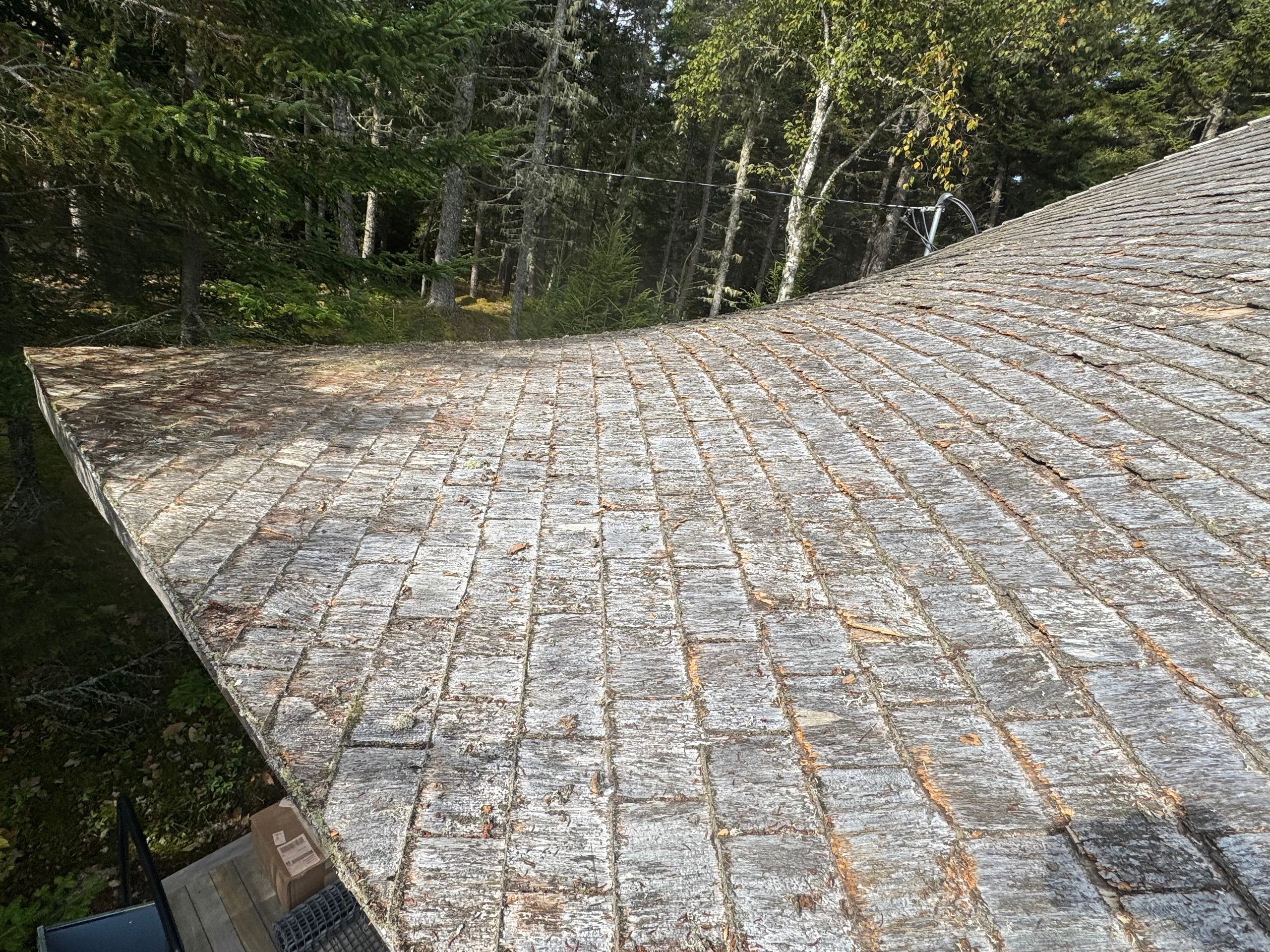
When to Repair or Replace Your Roof: A Guide for Maine Homeowners
Your roof is your home’s first line of defense against the elements, especially in Maine, where extreme weather is the norm. Over time, even the best roofs require attention. Knowing when to repair or replace your roof can save you money and prevent costly damages. In this guide, we’ll walk you through the signs that it’s time to take action.
Signs You Need Roof Repairs

1. Missing or Damaged Shingles: Individual shingles can be replaced if the damage is localized.
2. Leaks or Water Stains: Minor leaks can often be patched, but widespread water damage may signal larger issues.
3. Granule Loss: If your shingles are shedding granules, it’s time for maintenance to extend their lifespan.
4. Flashing Damage: Cracked or corroded flashing around chimneys or vents needs prompt repair to avoid leaks.
When to Consider Roof Replacement

• Age of the Roof: Asphalt roofs over 20 years or metal roofs exceeding their warranty period often require replacement.
• Widespread Damage: Extensive leaks or structural damage often mean it’s time for a new roof.
• Energy Efficiency Needs: If your home struggles to maintain temperature, a new roof with better insulation can help.
• Curb Appeal: Updating an old, worn roof can enhance your home’s value and appearance.
Roofing Options for Maine Homeowners
• Asphalt Shingles: Affordable and versatile, perfect for budget-conscious homeowners.
• Metal Roofing: Long-lasting and durable, ideal for extreme weather.
• Cedar Shingles: Aesthetic charm combined with natural insulation.
• Copper Roofing: A premium choice for elegance and longevity.
Deciding whether to repair or replace your roof depends on the extent of damage, your budget, and your long-term goals. With the right roofing professionals, you can ensure your home remains protected and visually appealing for years to come. Don’t wait until small problems become major headaches—act now to secure your home’s future.

Understanding the difference between Snap and Mechanical Lock Standing Seam Roofing and Which is Right for Your Home?
If you have been researching standing seam metal roofing, you have probably seen terms like mechanical lock, mechanical seam, and snap lock. They all sit under the standing seam metal roof family, but they are not the same. The profile you choose affects how weather tight the roof is, how long it lasts, how it handles Maine winters, and what it costs to install.
As roofing contractors in Maine who specialize in metal roofing, we see how these different profiles perform in real snow, wind, and freeze thaw conditions. This guide explains what mechanical lock standing seam roofing is, how it compares to snap lock metal roofing, and when each option makes sense so you can decide if it is right for your home.
What is Mechanical Lock Standing Seam Roofing?

Mechanical lock standing seam roofing is a type of standing seam metal roof built from long metal panels that run from the ridge to the eaves. Each panel has vertical legs that meet at the seam. Once the panels are in place, those seams are closed with a dedicated seaming tool that folds the metal together into a single lock or a double lock for extra protection.
Fasteners are hidden under the panel and covered by the seam, so the finished roof has a clean surface with no exposed screw heads. The locked seam creates a continuous barrier that is very resistant to wind driven rain, ice, and standing water.
For Maine homes, that extra security at the seams matters. Snow can sit on the roof for long periods, then melt and refreeze. A properly installed mechanical lock system is built to handle that kind of cycle without opening at the seams.
Read Also: Asphalt vs Cedar vs Metal vs Copper: Choosing the Best Roofing Material
Why Homeowners Choose Mechanical Lock Standing Seam Roofing?
Homeowners do not choose mechanical lock panels only for the way they look. They choose them for how they perform over the life of the home, especially in a climate like Maine.
Mechanical lock standing seam metal roofs are known for long service life. When installed correctly with quality materials, many systems can perform for several decades. That often covers two or three shingle cycles on the same house.
They also offer very strong weather performance. The mechanically closed seam creates one of the most weather resistant metal roofing profiles available. The raised vertical seams and hidden fasteners keep water away from the weak points, which is especially important where snow and ice are common.
Maintenance needs are low compared to many other roofing materials. There are no exposed fasteners on the main field of the roof, so there are fewer points where leaks can start. Routine inspections and basic cleaning are usually enough to keep a mechanical lock roof in good shape.
Finally, standing seam metal roofing has a clean architectural look. The vertical seams give a simple, modern rhythm from ridge to eave that works well on farmhouses, camps, coastal homes, and contemporary designs.
What Is Snap Lock Standing Seam Metal Roofing?
Snap lock standing seam roofing is another concealed fastener metal roofing system. It also uses panels with vertical legs, but instead of closing the seam with a seaming tool, the legs are shaped so they snap together by hand or with light pressure.
Clips or a nail strip attach the panel to the roof deck, and the next panel snaps over those connections. There is no separate mechanical folding step. This makes snap lock standing seam metal roofing faster and less labor intensive to install, which usually lowers installation cost.
Most manufacturers recommend snap lock profiles for roofs with a steeper pitch and for situations where water drains quickly. They are widely used on residential projects and give many homeowners the standing seam look at a lower labor cost than mechanical lock systems.
Mechanical Lock vs Snap Lock Standing Seam
From the street, mechanical lock and snap lock standing seam roofs can look almost identical.
The key differences are in how the seam is formed and how the system behaves when conditions are demanding.
1. Installation and cost
Snap lock panels are designed to click together without a separate seaming pass. That reduces time on the roof and the amount of specialized equipment needed. Because of this, snap lock metal roofs are usually less expensive to install than mechanical lock systems.
Mechanical lock panels require a seaming pass along every seam, and double lock systems require two folds. This takes more time and needs specific tools. As a result, mechanically seamed roofs generally cost more in labor but deliver a more secure connection at each seam.
2. Weather resistance and roof pitch
Because mechanical seams are physically folded and locked, they tend to be the most weather resistant option. The tighter seam and additional locking step create a system that is better suited for lower slopes and harsher conditions. That is why mechanical lock standing seam roofing is often specified in climates with heavy snow, ice, and strong wind.
Snap lock systems also provide good performance but rely more on roof pitch and drainage. They are generally recommended for steeper roofs where water and snow clear quickly. On roofs that shed water well, snap lock can be a practical and cost effective standing seam profile.
3. Long term performance
Both mechanical lock and snap lock systems can last many years when properly installed. Mechanical lock roofs usually have the edge on projects where there are strict requirements for wind uplift, snow load, or long term watertightness. The fully folded seam is less likely to open under stress.
Snap lock roofs still offer a strong improvement over exposed fastener systems and are often chosen when budget and installation speed are important, provided the roof design and location are suitable.
Snap Lock Metal Roofing vs Standard Standing Seam
Is Mechanical Lock Standing Seam Roofing Right for Your Maine Home?
With all of these options, it helps to look at your situation rather than focusing only on product names.
Mechanical lock standing seam roofing is often the right fit if you live in an area with heavy snow, regular ice, strong winds, or coastal storms and you want the most weather resistant standing seam profile available. It is also a strong choice if you plan to stay in your home long enough that the extended service life of a metal roof matters more than short term savings.
It suits homeowners who prefer a low maintenance roof and would rather invest once than manage frequent repairs and replacements. It also works best on roofs with a suitable pitch and layout for standing seam, where the clean lines of the panels will complement the architecture.
Snap lock standing seam roofing may be worth considering if your roof has a steeper pitch, sheds water quickly, and you are trying to balance performance with a tighter installation budget. You still get the standing seam look, but with a simpler seam profile.
If you are unsure which profile fits your roof, a site visit from a roofing contractor who installs both systems is the fastest way to get a clear answer.
Frequently Asked Questions
1. Is a mechanical lock standing seam metal roof worth the extra cost?
For many Maine homeowners, yes. The added labor and tooling at installation provide a more secure seam, better performance in severe weather, and a longer expected service life. Over the years that you own the home, that often matters more than the difference in the initial quote.
2. Is snap lock standing seam metal roofing a bad choice for Maine?
Snap lock is not automatically a bad choice. On steeper roofs in less exposed locations, snap lock can perform well. On lower slope roofs or very exposed sites with heavy snow and wind, a mechanically seamed standing seam profile is usually the safer and more durable option.
3. How long does mechanical lock standing seam roofing last?
Service life depends on the specific metal, finish, and conditions, but many standing seam metal roofs can perform for several decades when installed and maintained properly. That is why many homeowners think of a mechanical lock roof as a long term investment rather than a short term fix.
4. Can a standing seam metal roof be installed over existing shingles?
In some cases it is possible to install metal roofing over shingles, but it is not always the right approach. The condition of the deck, local building codes, manufacturer requirements, and the weight and height of the new system all matter. A careful inspection is needed before deciding whether to remove the old roof or go over it.
5. Is standing seam metal roofing noisy during rain or storms?
On a home with solid decking, underlayment, and proper insulation, most homeowners are surprised by how quiet a standing seam roof is. It usually does not create the loud, hollow sound people associate with metal on open barns or sheds.
Talk With Armor Roofing About Mechanical Lock Standing Seam Roofing in Maine
Choosing between mechanical lock standing seam roofing and snap lock standing seam is more than a style decision. It is about how you want your roof to perform in real Maine weather and how long you want it to last.
Armor Roofing installs mechanical lock standing seam metal roofs for homeowners across Maine and can walk you through whether your roof is a good candidate for standing seam, how mechanical lock compares to snap lock for your exact home, and what to expect in terms of cost, lifespan, and maintenance.
If you are considering a standing seam metal roof and want clear guidance from a contractor who works with these systems every day, reach out to schedule a consultation and quote for your home.
Ready for a Reliable Roof?
Let’s Discuss Your Roofing Needs—Reach Out Today!
10 Year Roof Warranty
Family-Operated Business
Fully Custom Metal Fabrication

Frequently Asked Questions
Do you offer roof repair and roof replacement in Maine?
Yes. We handle targeted roof repairs as well as full roof replacements, depending on your roof’s age, damage, and overall condition.
What areas of Maine do you serve?
We’re based in Orrington and serve surrounding areas across Maine. If you’re not sure, contact us and we’ll confirm quickly.
How do I know if I need roof repair or full replacement?
If the issue is isolated (one leak or a small damaged area), roof repair often works. If problems are repeating or spread across multiple sections, replacement is usually the smarter long-term fix. Here's a complete guide to understand whether you need roof repair or replacement.
Do you install standing seam metal roofing in Maine winters?
In many cases, yes, but timing depends on roof conditions, safety, and the system being installed. We’ll recommend the safest approach after an inspection.
Is mechanical-lock standing seam worth it in Maine?
Yes, for many homes mechanical-lock standing seam is considered the right choice. Especially where snow, ice, wind, and freeze-thaw cycles are hard on roofing systems.
How long does a new roof take?
Most residential projects take a few days, depending on roof size, complexity, weather, and material type.
Do you help with storm damage or emergency leaks?
Yes. If you have active leaking or storm damage, we’ll prioritize an inspection and recommend the fastest way to protect the home.
Will you tear off the old roof or install over shingles?
It depends on the roof’s condition, local requirements, and the new system. We’ll explain the best option after evaluating your roof deck and existing layers.
What roofing materials do you install?
We install standing seam metal, asphalt shingles, cedar shingles, and copper systems depending on the project goals and the home.
Do you install copper gutters or custom metalwork?
Yes. We offer copper and custom metal fabrication options for homeowners who want long-lasting details and clean finish work.